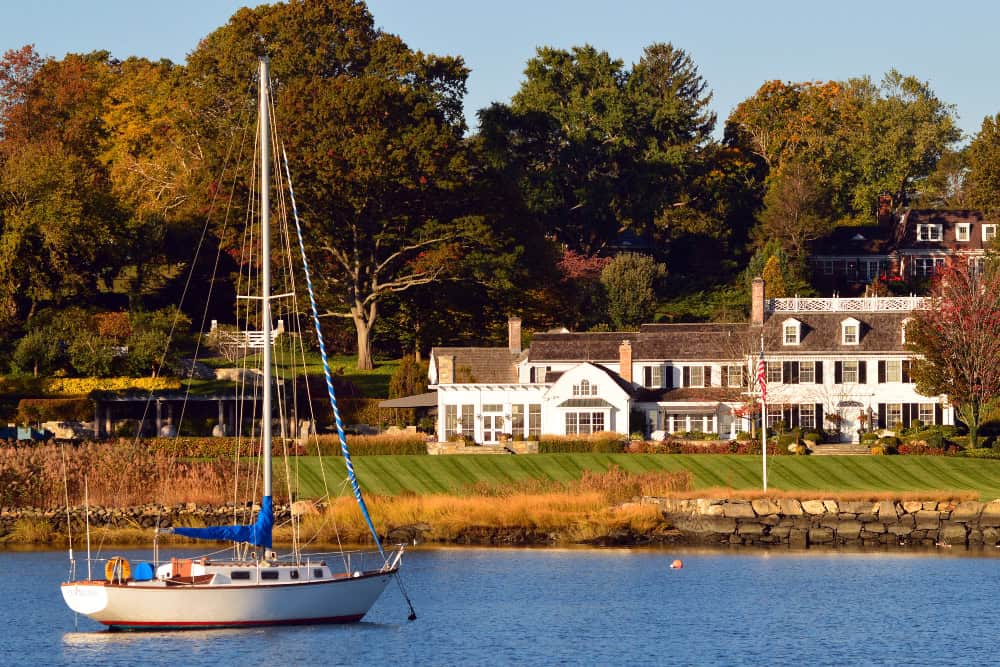
Moving to a new town requires careful planning. This is especially true when relocating to Greenwich, Connecticut. A successful move involves understanding the area's distinct neighborhoods and navigating its real estate market. This guide provides a step-by-step process for out-of-town buyers to manage their relocation to Greenwich effectively. From initial research to settling into your new home, these steps will help you make informed decisions.
Step 1: Initial Research and Defining Your Needs
Before exploring properties, it's important to understand what Greenwich offers. The town is known for its location near New York City, its established community, and its diverse residential areas. Start by outlining your priorities.
Consider these factors:
- Proximity to NYC: Do you require a specific commute time? Access to Metro-North train stations in Greenwich, Cos Cob, Riverside, or Old Greenwich can influence your search.
- Lifestyle Preferences: Are you looking for a home near the Long Island Sound waterfront? Or do you prefer a property with more acreage in the backcountry? Each area offers a different living experience.
- Property Type: Define your ideal home. Consider square footage, architectural style, lot size, and desired features. Greenwich offers a range of properties, from historic colonials to modern new constructions and condominiums.
This initial evaluation helps narrow your focus. It provides a clear framework for your property search and discussions with a real estate professional.
Step 2: Exploring Greenwich's Neighborhoods
Greenwich is not a single entity but a collection of distinct neighborhoods. Each has its own character and amenities. Understanding these differences is key to finding the right location for your needs.
Key Greenwich Areas:
- Old Greenwich: Located on a peninsula, this area offers a coastal feel with access to Tod's Point beach. It has a walkable village center with shops and restaurants.
- Riverside: Situated between Old Greenwich and Cos Cob, Riverside is primarily residential. It provides convenient access to the train station and major roadways.
- Cos Cob: This neighborhood features a mix of housing types and a harbor. Its central location offers easy access to downtown Greenwich and other parts of town.
- Downtown/Central Greenwich: The hub of the town, offering condominiums, townhouses, and single-family homes. This area provides walkability to Greenwich Avenue's shops, restaurants, and cultural venues.
- Mid-Country: Known for larger properties and more open space, typically between one and four acres. It provides a more private setting while remaining close to town amenities.
- Backcountry: Characterized by expansive estates, winding roads, and a rural atmosphere. Properties here often exceed four acres, offering maximum privacy.
Visiting these neighborhoods is an important step. Spend time driving through different areas to understand their layout and atmosphere. This firsthand experience is invaluable for making a final decision.
Step 3: Understanding the Greenwich Real Estate Market
The Greenwich real estate market is unique. It operates on its own trends and cycles, which can differ from national or regional patterns. Partnering with a professional who understands these dynamics is crucial.
Key market characteristics include:
- Diverse Inventory: The market ranges from multi-million dollar estates to more modest single-family homes and condos.
- Competitive Landscape: Desirable properties can attract multiple offers. Being prepared with pre-approved financing is essential to act quickly.
- Seasonal Trends: The market often sees more activity in the spring and fall. However, opportunities can arise at any time of year.
An experienced agent can provide current market data, recent sales information, and insights into inventory levels. This knowledge empowers you to make a competitive and well-informed offer.
Step 4: Finding a Qualified Real Estate Agent
For an out-of-town buyer, a local real estate agent is your most important resource. A qualified agent provides more than just property listings. They offer deep market knowledge, negotiation expertise, and a network of local professionals.
When selecting an agent, look for:
- Extensive Experience in Greenwich: The agent should have a long track record of successful transactions within the town.
- Neighborhood Expertise: They should be able to articulate the specific characteristics of each neighborhood.
- Strong Communication: Your agent should be responsive and provide clear, timely updates, which is vital when you are managing a move from a distance.
- A Proven Process: Ask about their approach to working with relocation clients, including virtual tours, market analysis, and managing the process remotely.
A skilled agent acts as your advocate, managing the complexities of the transaction from initial search to closing.
Step 5: Planning Your Move and Due Diligence
Once you have an accepted offer on a property, the relocation process enters a new phase. This involves both logistical planning and critical due diligence on the home.
Due Diligence
Your agent will help coordinate essential inspections. These may include a general home inspection, pest inspection, radon testing, and well and septic inspections for properties that have them. Reviewing the property disclosure report provided by the seller is also a key step. These inspections ensure you fully understand the condition of the property before closing.
Logistical Planning
Moving from another town or state requires organization. Begin planning your move well in advance.
- Secure a Moving Company: Obtain quotes from reputable movers and book your date as soon as your closing date is confirmed.
- Transfer Utilities: Coordinate the transfer of services like electricity, water, gas, and internet to your name.
- Update Your Address: Complete a change of address with the postal service and update your information with financial institutions and other relevant parties.
- Enroll in Schools: If you have children, contact the Greenwich Public Schools district to begin the registration process.
A detailed checklist can help you track these tasks and ensure a smooth transition.
Step 6: Settling into the Greenwich Community
Your move is complete once the boxes are unpacked. The final step is to connect with your new community. Greenwich offers many resources and opportunities to help new residents feel at home.
- Explore Local Amenities: Visit the Greenwich Library, Bruce Museum, and local parks.
- Get Involved: The town has numerous clubs, non-profit organizations, and recreational programs. These are great ways to meet people and pursue your interests.
- Discover Local Businesses: Explore the shops and restaurants on Greenwich Avenue and in the smaller village centers.
Relocating to Greenwich is a significant undertaking, but a structured approach can make the process manageable. By conducting thorough research, working with an experienced professional, and planning each step, you can navigate your move with confidence.
If you’re ready to begin your search or have questions about relocating to Greenwich, reach out to Edward S. Mortimer of Sotheby's International Realty. With deep local expertise and a client-focused process, Edward can help you find the right property and ensure a seamless transition to your new home in Greenwich, CT.